



Strategy before content
The McPherson Constructions story
A reflection on our approach to content and web design for a design-focused builder on the Sunshine Coast
Dylan McPherson came to us after seeing the photography an architect commissioned for one of his projects. He wanted video and photo content for his other builds and knew he needed a new website, but wasn’t sure where to start.
He had a clear vision: position his construction business for design-focused residential projects on the Sunshine Coast. He’d built a strong reputation through word of mouth, but his online presence didn’t reflect the quality of his work or what made him different.
We could have said yes to video production immediately. But when we looked at what he actually had, an outdated website where the messaging was buried in unfocused text, we suggested taking a step back.
This is the story of why brand strategy came first, and what actually changed.
The problem: good work, unclear message
Most builders (and architects) in the high-end residential space do excellent work but struggle to articulate what differentiates them from others.
Dylan was different in important ways. He runs a small, hands-on team, takes a few select projects every year, and specialises in challenging sites and complexity. He genuinely cares about design intent, not just execution. But his website looked like it was built in the 2000s. While it mentioned dealing directly with the builder and old school values, these points were buried in dense paragraphs with no visual hierarchy.
The real differentiators: a small team, challenging sites, architectural focus, weren’t apparent in the first 10 second scroll of the homepage. You had to hunt for what made Dylan different.
The visual difference is obvious. But the strategic difference runs deeper.
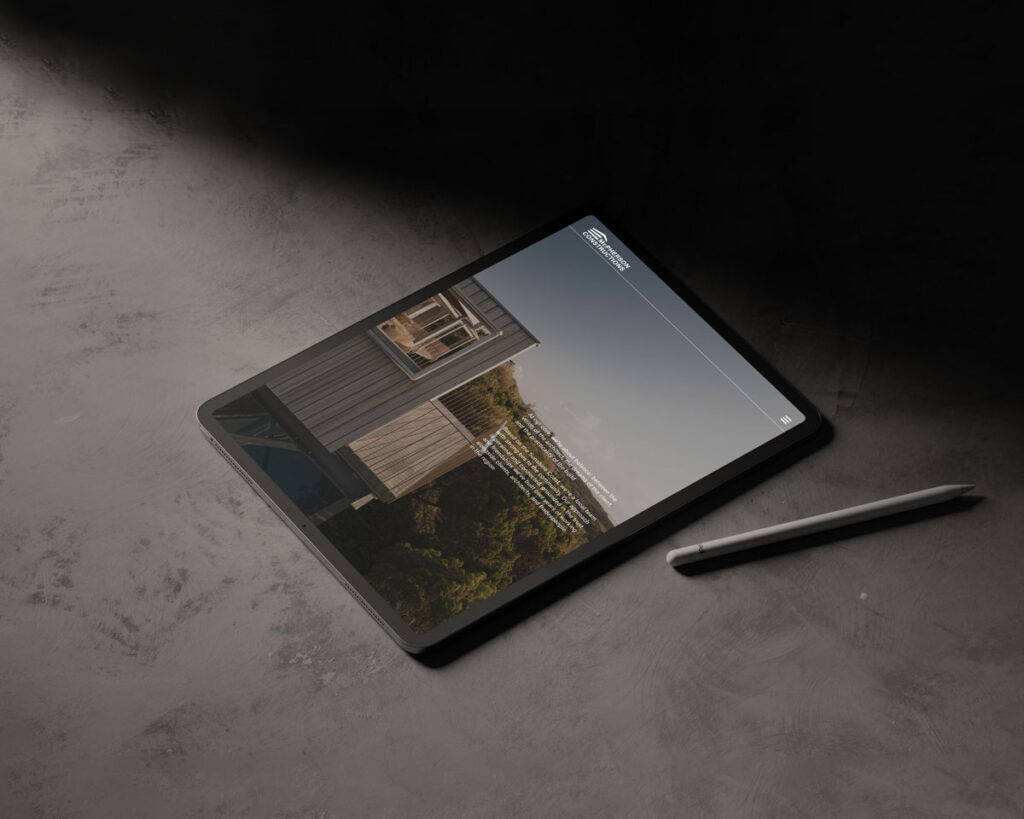
Most builders and architects do excellent work but struggle to articulate what differentiates them from others
Starting with strategy
When Dylan approached us wanting video production, we could have just said yes, shot some projects, delivered good content, and collected the fee. But we’d seen this pattern before: clients invest in production without clear messaging, then struggle to use the content effectively because they don’t know what story they’re telling.
So we proposed something different. Start with strategy:
1. Understanding the audience
We interviewed a number of Dylan’s past clients and architects he’d worked with. Not for testimonials, but proper discovery. Who were they? What did they need from a builder? What made Dylan’s approach different?
We built two detailed customer personas: the architect (the principal of a small design-focused practice protective of their vision) and the client (semi-retired professionals building their dream home, more concerned with trust and process than price).
These weren’t guesses. They were composites of real people Dylan had successfully worked with.
2. What the research revealed
Dylan’s ideal clients weren’t looking for the cheapest builder. They wanted:
- Personal attention from the principal builder
- Someone who understood architectural intent
- Transparent communication throughout
- A builder who took genuine ownership of the project
These insights became the foundation for everything else.
3. Visual identity that reflected the business
Dylan was quite attached to his old branding, particularly the logo, but it was outdated and didn’t speak to the current architectural market or design-savvy clients. We developed a visual identity that evolved from his existing logo while bringing it into the present. The new identity is practical for digital, print, and embroidery, modern in both look and functionality, but still grounded and approachable. Very Dylan.
It needed to work on-site with tradies and in meetings with architects.
4. Messaging that differentiates
This is where strategic work really pays off. The personas serve a very practical purpose: they guide all subsequent messaging so we’re talking to particular people, not an ambiguous audience. Every piece of copy was written with Dylan’s ideal clients and architects in mind.
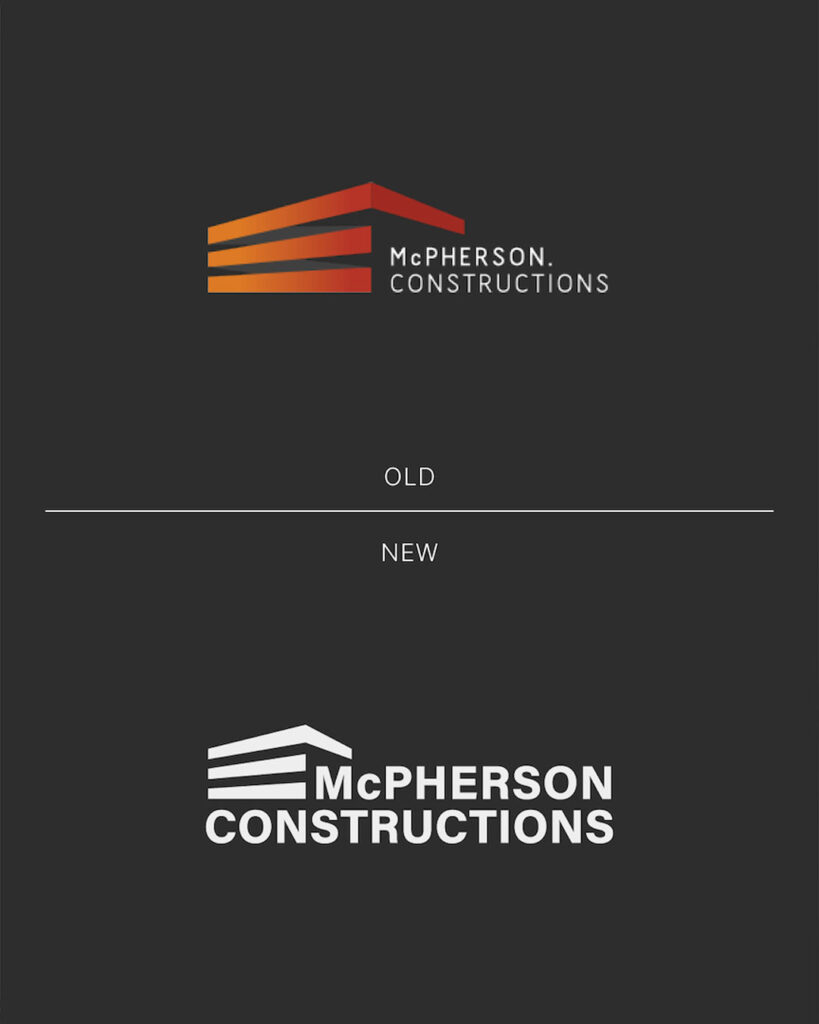
Old vs new messaging
The old site mentioned dealing direct with the builder, old school ethics, and quality workmanship. The information was there, but the presentation made it hard to find and harder to remember. Long blocks of text with no hierarchy meant the real differentiators, a small team taking on select projects, specialisation in architectural work, and a collaborative approach, got lost.
What we wrote instead:
Homepage
McPherson Constructions
A hands-on, design-focused approach to building homes that respect the vision of our clients and architects
We’re a small team dedicated to design and attention to detail. Based on the Sunshine Coast, we take on a select number of projects and prioritise craft, communication, and genuine relationships
About page
Architectural construction is a collaborative process
We’re committed to quality architecture with a real passion for design and craft, working closely with architects and clients who value the same
We’re about balance: between the architect’s vision, the client’s goals, and the practicality of construction
Based on the Sunshine Coast, we’re a local team with strong ties to the community. Our approach is personal and connected, grounded in the trust and friendships we’ve built over years of working alongside clients, architects, and tradespeople in the region
The difference is clarity and focus. The new messaging puts the differentiators front and centre. You immediately understand who McPherson Constructions is for and what makes them different.
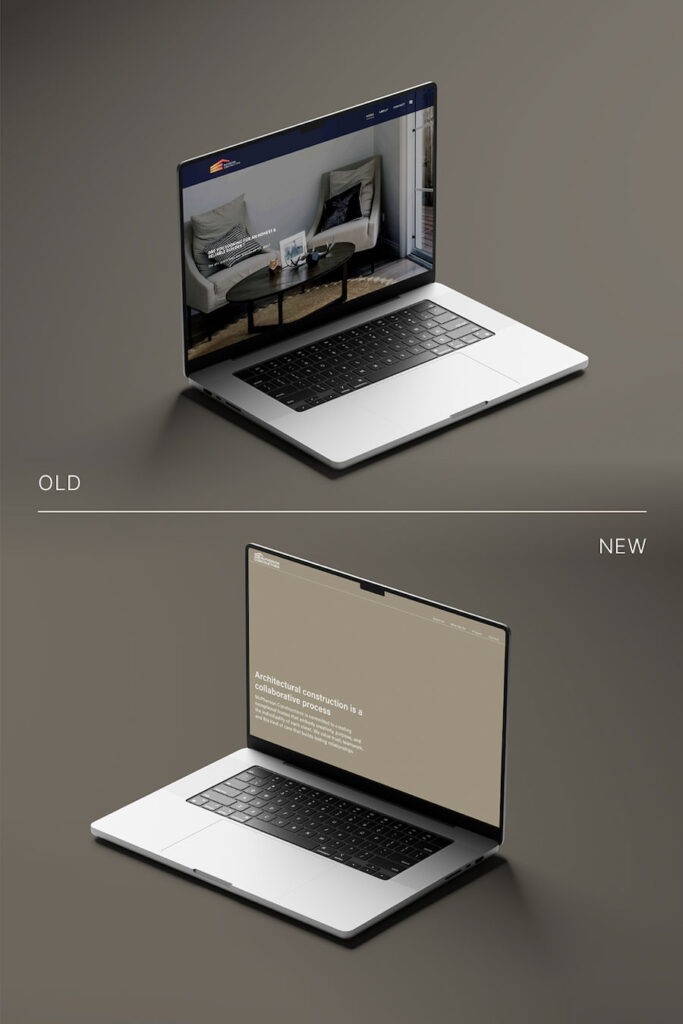
What actually changed
Confidence in the brand
Dylan actively uses the site now in conversations with potential clients and architects. It’s not just a portfolio. It articulates his approach and filters clients and architects for the right fit. He feels confident directing people to it because it represents how he actually works.
Architect response
We’ve spoken with several architects who’ve checked out his site since launch. Their response was immediate: the simplicity and clear messaging work. Dylan’s personality comes through too: easy-going, honest, hard-working approach that makes him great to collaborate with. They understood his country-boy ethos and values before they even saw his photo.
That’s what brand strategy does. It doesn’t invent a personality. It clarifies and communicates what’s already there.
Client clarity
The site now does the heavy lifting in client conversations. Instead of explaining his process from scratch every time, clients arrive already understanding his collaborative approach and experience.
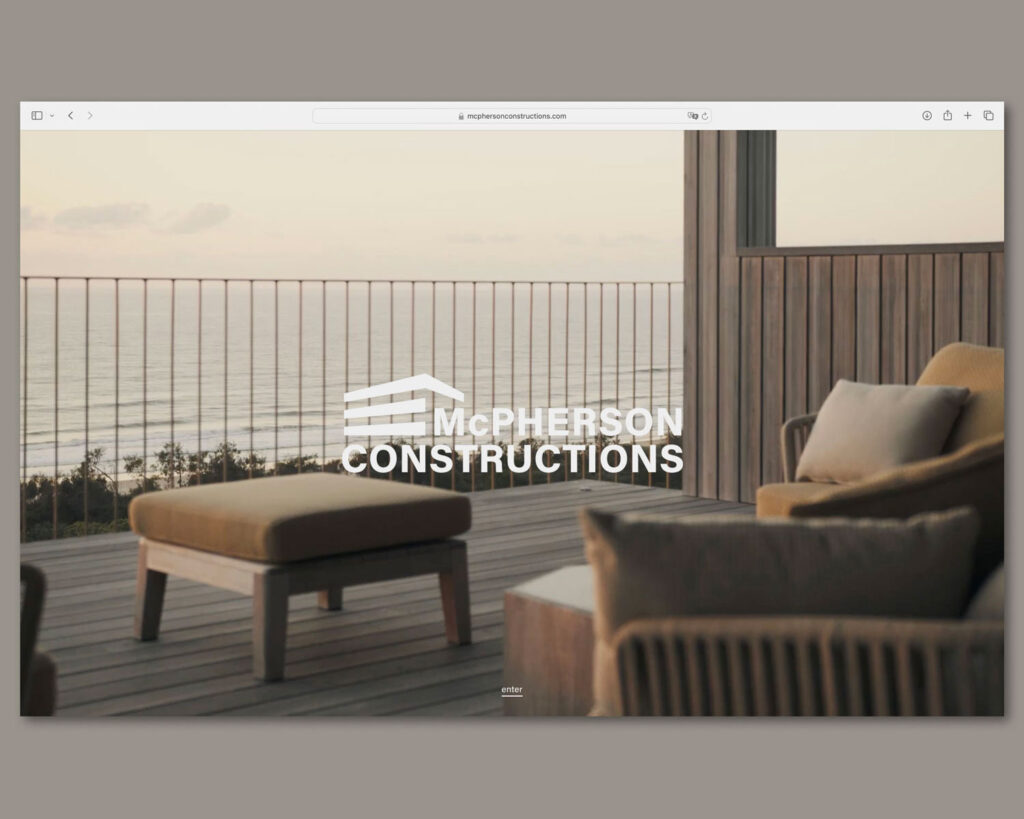
Why builders and architects need foundational work
Most builders and architects think they need content and marketing: social media, SEO, lead generation. But marketing amplifies your message. If you don’t have a clear story, you’re potentially attracting the wrong audience.
Some key takeaways
You’re not competing on price. Clients choose based on trust, capability, and fit. Your brand needs to communicate that.
Word of mouth has limits. Referrals are great but they often don’t allow you to be selective about projects or to position yourself work you specialise in.
Architects and builders want mutual understanding. Architects are protective of their design vision and reputation. Clients are trusting both parties with their biggest investment. They’re all looking for clear communication, genuine collaboration, and shared ownership of the outcome. Generic marketing and messaging doesn’t communicate any of that.
Now that the strategic foundation is in place, clear messaging, strong visual identity, and a functional website, we can layer on video and social content that builds on a coherent position instead of ad hoc marketing tactics.

The strategy-first approach
We approach brand and strategy with the same care, clarity and craft that define our films and photography.
Could we have gone straight to making a video? Sure. But it would have been built on generic statements about quality and design. This project shows how content informed by clear positioning and messaging has direction and purpose.
Now when we produce content for Dylan, we know exactly what story we’re telling and who we’re telling it to. That’s the outcome of production plus strategy.